
Dr. Paul Borosky, DBA, MBA
Business Consultant & Fractional CFO
The Old eCommerce Plan Answered Three Questions. Lenders Now Ask a Fourth.
What do you sell, who buys it and where does it come from? That used to be the whole plan. Now the first question from a lender or investor is different. How is this store going to use AI, today and next year?
The way eCommerce business plans get written is changing, for better or worse. The stores that answer the AI question clearly, with the guardrails spelled out, stand out from the ones that do not.
Or call/text (321) 948-9588. Dr. Paul answers personally.
Last Updated: 9/10/2026 · Reviewed by Dr. Paul Borosky, DBA, MBA
Start Here
Why are lenders and investors asking about AI in an eCommerce business plan?
The old sections still matter. The questions about them changed.
A traditional eCommerce business plan covers how the business operates, how it serves customers and how it sources its products. Those sections still matter. What changed is the lens lenders and investors read them through.
They know AI can build a website in an afternoon, write a thousand product descriptions and run ad campaigns around the clock. So they want to know whether your store is using it, where, and whether anyone is watching the results.
Most small businesses are not there yet. The U.S. Census Bureau reported in May 2026 that fewer than one in five businesses were using AI to produce goods or services, and the smallest firms were not picking it up as fast as larger ones. That gap is an opening. A small store with a clear, controlled AI plan looks more prepared than most of its competition.
The new plan does not throw out the old sections. It adds AI to each one, then adds a section on the risks. The rest of this page walks through them in order.
Dr. Paul's Insight
The business plan itself is changing.
Traditional plans covered operations, customers and sourcing. An eCommerce plan now has to show how AI touches each of those, now and in the future, because that is what lenders and investors are reading for. Dr. Paul sees the structure of plans shifting, for better or worse, and the owners who adapt early have the easier conversation.
The Storefront
How should the plan explain AI in building and running the website?
Say where AI does the work, and who checks it before customers see it.
The website is the store. In the plan, describe how it gets built and how it runs, and be specific about where AI does the work.
Plenty of store owners now use AI somewhere in the site. It drafts the product descriptions and category pages. It suggests layouts and images. It powers the search bar and answers basic customer questions at midnight. Say which of those your store uses and which platform it runs on.
Then say who reviews the output. AI writes confident product details that are sometimes wrong. A size chart that does not match the product, or a material claim the supplier never made, turns into returns and bad reviews. The plan should name the person who checks product pages before they go live.
Finish the section with the customer experience. How fast do customers get an answer? When does a chat hand off to a real person? Lenders like a store that is efficient. Customers like a store that feels like someone is home.
The Marketing
What does an AI marketing plan look like for a small online store?
Faster marketing is easy now. Memorable marketing is not.
Marketing is where most small stores use AI first. It writes social posts, drafts email campaigns, tests ad copy and helps target the right buyers. The plan should show the channels, the tools and the schedule.
Here is the catch. Every competitor has the same tools. When AI can write the same polished ad for everyone, polish stops standing out. What stands out is the story only your store can tell: why you started it, who you serve and what you stand behind.
So the marketing section needs two parts. The first explains how AI makes the marketing faster and cheaper to run. The second explains the brand, the voice and the human touches that AI cannot copy, like real customer photos, a founder video or a handwritten note in the box.
Include the follow-up plan too. Automated abandoned cart emails and repeat purchase reminders are some of the easiest AI wins a store can write into its plan.
Dr. Paul's Insight
Everyone has the same AI tools.
AI can write the product page and the ad for every competitor too. What stands out in a business plan is what the owner does with those tools that others will not, and the brand story behind the store.
The Vendors
How can AI help find products and manage suppliers?
AI can find the supplier. You still have to verify them.
Sourcing used to mean trade shows, phone calls and samples in the mail. It still does. But AI now does a lot of the early work.
Store owners use it to research suppliers, compare product options, summarize reviews, draft outreach messages and spot which products are trending before they order stock. In the plan, describe that process step by step.
Then describe the checks. AI can find a supplier. It cannot confirm the supplier is real, the product meets safety rules or the shipping times are honest. The plan should say how you verify: samples, references, small first orders and a backup supplier for your best sellers.
Lenders and investors read this section for one thing. Can a single bad supplier sink the store? Show that the answer is no.
The Numbers
What do AI tools change about what one order earns?
One small table. That is all the math this page needs.
This is the only section on this page with math, and it stays simple. It shows why AI marketing tools matter to the bottom line, not just the workload.
| Line | First order | Bundled order | Repeat order |
|---|---|---|---|
| Order value | $60.00 | $75.00 | $60.00 |
| Product cost, 40 percent | $24.00 | $30.00 | $24.00 |
| Shipping and packaging | $8.00 | $8.00 | $8.00 |
| Payment processing, 3 percent | $1.80 | $2.25 | $1.80 |
| Cost to get the order | $30.00 in ads | $30.00 in ads | $3.00 in email |
| What the order leaves | -$3.80 | $4.75 | $23.20 |
The first order loses money once the ads are paid. An AI product recommendation that turns it into a bundle makes it positive. An automated email that brings the customer back makes the real profit.
In the plan, that becomes a simple story: AI is not just saving time, it is changing what each customer is worth. The eCommerce business plan template includes the Excel model for running your own numbers, and the financial projections guide explains the rest.
The Guardrails
What AI risks belong in the business plan?
Naming the risks is what makes the rest of the plan believable.
Every business plan has a risk section. In an AI-era eCommerce plan, it gets longer, and that is a good thing. Naming the risks is what makes a lender comfortable with the rest of the plan.
Cover the obvious ones. AI can publish wrong product information. It can produce content that is too close to someone else's. It touches customer data, which brings privacy obligations. And many stores depend on a single platform, marketplace or tool that can change its rules or prices overnight.
For each risk, write the control. A person approves product pages. Customer data stays inside approved tools. Key content and customer lists are backed up outside the platform. A second sales channel exists in case the first one changes.
Close with the future. Write what the store will add next year and the year after, and what has to be true before it does. That shows the owner is steering the AI instead of the other way around.
Dr. Paul's Insight
AI does the work. The owner checks the work.
A plan that says who reviews what AI produces, from product details to supplier choices, reads as a business. A plan that says AI handles it reads as a risk.
Do This
The AI Plan on One Page
The short version a lender can read in two minutes.
- Now. List every place AI is used today: site, content, customer service, marketing and sourcing.
- Owner. Put a name next to each one, the person who reviews the output.
- Next. Write the one or two AI additions planned for the coming year, and what has to be true first.
- Later. Describe where the store wants AI to take it in three to five years.
- Guardrails. Name the top risks and the control for each one.
Hand that page to a lender or investor with the full plan behind it. If you want help building it, Dr. Paul works one-on-one with owners on AI integration and on the business plan around it.
Watch
Dr. Paul on Video
A walkthrough of the eCommerce business plan itself.
How to Write an eCommerce Business Plan
Tips and tricks for writing the plan itself. (13 min)
FAQ
Frequently asked questions
The questions store owners ask Dr. Paul most about AI and their business plan.
Do I need to include AI in my eCommerce business plan?
Will a lender fund an online store that relies on AI?
Where should a small online store start with AI?
What are the risks of using AI in an eCommerce business?
Next Step
Write the Plan for the Store You Are Actually Running
An online store in the AI era needs a plan that says where AI works, who checks it and where it goes next. Dr. Paul can build that with you, the template gives you the structure, and the book covers every section.

AI Integration Consulting
Dr. Paul helps store owners decide where AI fits, build the controls around it and write it into a plan lenders and investors understand. No hand-offs.

eCommerce Business Plan Template
An editable Word plan and an Excel financial model built for an online store. Add your AI sections and run your own order numbers.
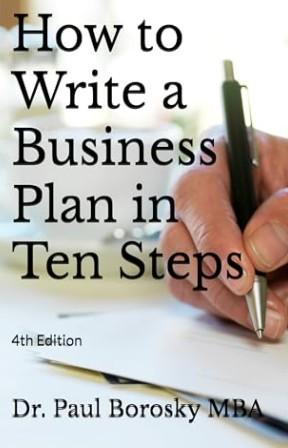
How to Write a Business Plan in Ten Steps
Every section of a business plan in plain English. Start here, then layer the AI pieces on top.
Dr. Paul Borosky, DBA, MBA
Business Consultant & Fractional CFO | 14+ Years | 1,000+ Clients Served
Dr. Paul Borosky, DBA, MBA, business consultant and fractional CFO, is dedicated to making CEOs stronger, sharper, and more effective. He is the founder of Quality Business Plan, creator of Dr. Paul's Organize-Plan-Grow™ Strategy, author of numerous published books on Amazon, and publisher of over 1,000 business-focused videos on YouTube. For over 14 years, he has helped eCommerce and small business owners build plans that lenders and investors trust, and today he helps them bring AI into the business the right way.
Dollar figures on this page are illustrations used to explain a concept, not projections for your business. Costs, fees and ad prices vary by store. Industry figures are presented to the best of our knowledge based on publicly available information at time of publishing and may change over time. Source: U.S. Census Bureau, Business Trends and Outlook Survey, May 2026. AI tools and platform rules change often. Always verify current details before making business decisions.