Home › Utah Business Plan Writer › Provo
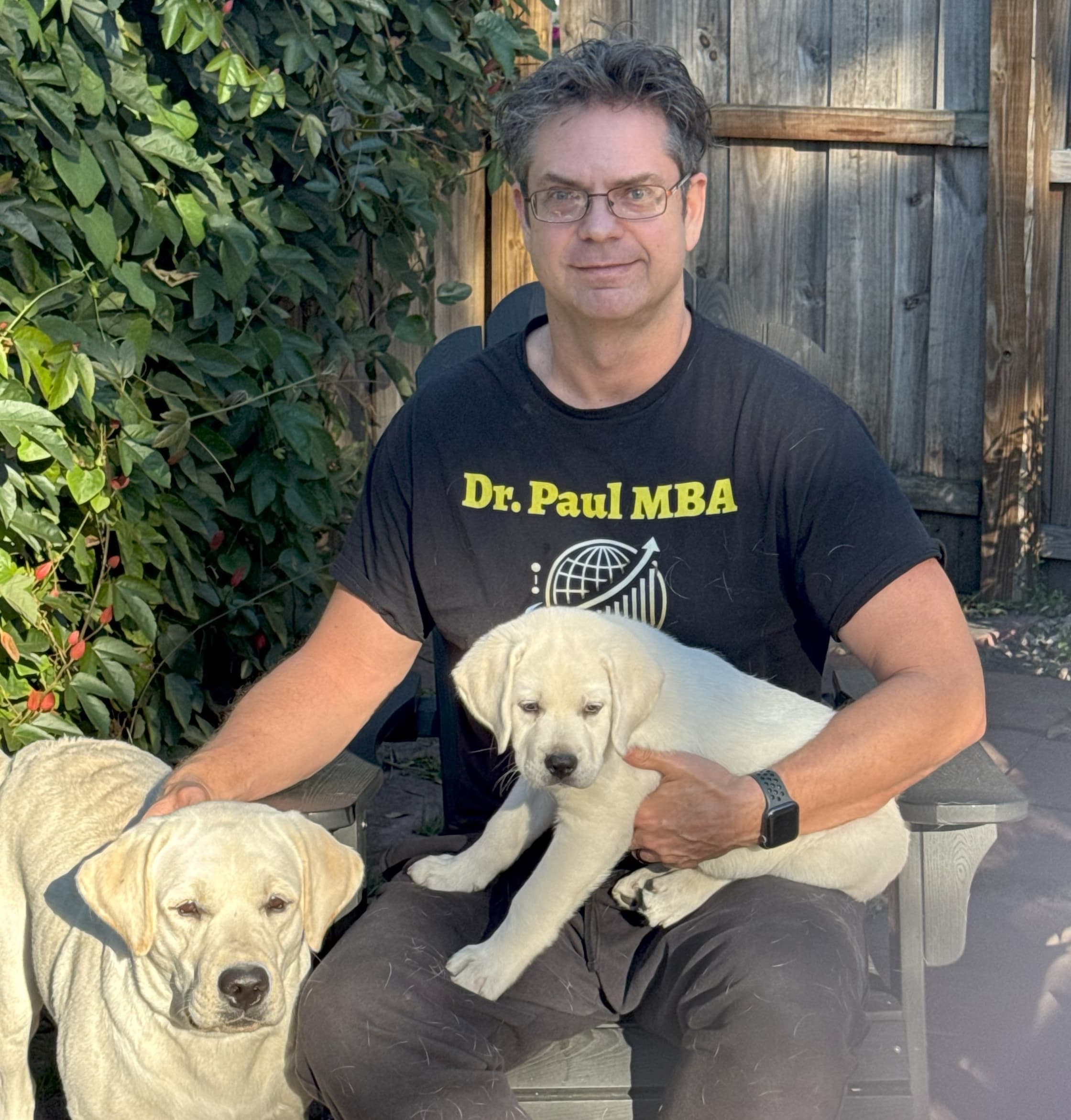 Dr. Paul Borosky, DBA, MBA
Business plan writer for founders raising their first round
What Makes a Provo Business Plan Ready for Investors?
Provo sits at the south end of Silicon Slopes, with Brigham Young University and Utah Valley University turning out founders every year. Most of them pitch the same local investors. Behind the pitch deck, investors look for the market, the team, the numbers and how the money gets used. As their business plan writer, Dr. Paul Borosky, DBA, MBA, puts all of it in one investor-ready plan for Provo and Orem founders.
- 1,000+clients
- $100M+in fundable projects
- 14+years
Short Answer
Who Can Write an Investor-Ready Business Plan?
The Traditional Answer
An investor-ready plan is usually written by the founder with help from someone who has written plans that raised money. It explains the problem, the market size, the product, the team, the business model, the competition and a three to five year financial forecast. It ends with how much money is needed, what it pays for and what the investor gets.
Doctor Owl in Plain English
An investor buys the gardener as much as the seed. Show them you know how to tend the field.
How this guide worksThe forest and its animals are invented, but the lessons are true. This page lays out the Provo problem first, then a chart of where investor money is going, a forest story, the fix and a video. The stories come from Dr. Paul’s Fabled Forest Business School Series.
Pitching Silicon Slopes Investors Soon?
Have the plan behind the deck ready before the meeting. See plan pricing.
Business Consulting
Talk through your model, your market and what investors will poke at first.
Business Plan Writing
A full investor-ready plan with a forecast, use of funds and the story behind the numbers.
Business Plan Templates
A plan outline and financial model you can build from yourself.
Promoted over the people you used to work beside? lead your former Provo coworkers without losing the team you came from.
The Provo Problem
Why Is It Harder to Raise Money in Provo Right Now?
The Provo and Orem area has hundreds of venture-backed startups. Dealroom counts about 265 companies that have raised between $100,000 and $15 million.
That is a lot of founders asking for the same checks. And the money has shifted. In the first half of 2026, AI companies took about 86 percent of all U.S. venture capital, according to PitchBook, and most of it went to the coasts.
That leaves less room for a non-AI startup from Provo. Local angels are still investing, but they are pickier. They want to see real customers, a clear path to revenue and a team that can execute.
A slide deck gets the meeting. The plan behind it decides what happens next. Investors ask for the forecast, the assumptions and the use of funds. Founders who cannot answer those questions lose the room.
How much money do you need, what will it buy and what milestone will you hit with it? If that answer is fuzzy, the rest of the pitch rarely matters.
Where the Money Went
How Much Venture Money Is Left for Non-AI Startups?
This simple chart shows the split reported for the first half of 2026. Everyone else is competing for the smaller slice.
Doctor Owl Teaches
Why Did Isabelle Say No to Steve the First Time?
Startup Steve has started more businesses than anyone in the forest. His newest idea was an app that told animals when the berries were ripe.
Steve swung into the bank with a bright drawing and big hopes. Isabelle the Iguana, who also invested her own coins in young companies, listened politely. Then she asked who would build the app, who would sell it and what it would cost to run for a year. Steve said he would figure that out after he got the money.
Isabelle said no, kindly but firmly.
Steve went to Doctor Owl, upset. Doctor Owl did not talk about the app at all. He asked who was on Steve’s team and what each one would do. He asked what Steve would spend in each month and what he would have to show at the end of a year.
It took Steve three long weeks to answer every question. When he went back, Isabelle studied the plan from the front, then from the side. This time she said yes, for a smaller amount, tied to the first milestone.
The lesson: Investors fund the plan and the team, not just the idea. Read more in Management and Leadership for Small Businesses.
The Fix
What Does an Investor-Ready Plan Include?
Build the plan first, then cut the deck from it. That way every slide has the numbers behind it.
- Start with the problem and the customer. Who has the pain, how they solve it today and what it costs them.
- Size the market honestly. Show the slice you can reach in three to five years, not the whole industry.
- Introduce the team. Who does what, what each has done before and which roles you still need to fill.
- Show the model. How you make money, what a customer is worth and what it costs to get one.
- Build the forecast. Three to five years, monthly in year one, with every assumption written down.
- Spell out the use of funds. How much you need, what it buys and the milestone it reaches.
Business Plan Writer Tip
Tie money to milestones
Dr. Paul has founders show what each dollar buys and what proof it creates, such as paying customers or a working product. Investors fund progress they can measure.
Business Plan Writer Tip
Answer the hard question first
Dr. Paul adds a short section on why this team, in Provo, can win. Local talent from BYU and UVU and lower costs than the coasts are real advantages when you show them.
Behind the deck, a Provo founder now has the full story, with numbers an investor can test and trust.
The Local Scene
Where Does the Provo Startup Scene Meet?
Investors on the Slopes know each other. Knowing where they meet helps you plan your raise.
BYU and the Rollins Center
Student founders, pitch contests and alumni investors.
Utah Valley University in Orem
A large school with its own SBDC and startup programs.
Downtown Provo and Center Street
Small offices, coworking spaces and early-stage teams.
The Lehi corridor
Larger tech companies and many of the funds, a short drive north.
Quick Answers
What Else Do Provo Founders Ask About Investor Plans?
Do investors still read business plans?
Can I raise money without an AI angle?
When should I start writing the plan?
Local Help
Who Helps Provo Founders Get Ready to Raise?
Bring your deck and your numbers to either one.
Orem SBDC at Utah Valley University
Free advising on plans, forecasts and funding for Utah and Wasatch county owners.
815 W. 1250 S., Orem, UT 84058
Silicon Slopes
The statewide tech community, with events where founders meet local investors.
Watch
How Do You Show Investors Who Runs the Company?
Dr. Paul explains how to write the organizational structure section, the part of the plan that shows investors who leads and who does what.
About Dr. Paul Borosky, DBA, MBA
Investors get a plan from someone who consults for a living and writes books on it. That is Dr. Paul. Read about him. Dr. Paul has written plans for more than 1,000 owners and founders, including startups raising their first outside money. Provo founders work with him remotely, and the plans follow his Organize-Plan-Grow™ method. His books are on Amazon.
Utah topics beyond Provo are on the Utah business plan writer page. Up the road, the Salt Lake City business plan writer page covers growth before 2034. To check your model, read what unit economics are. Browse every city on the locations page.