Home › Locations › Massachusetts › Boston
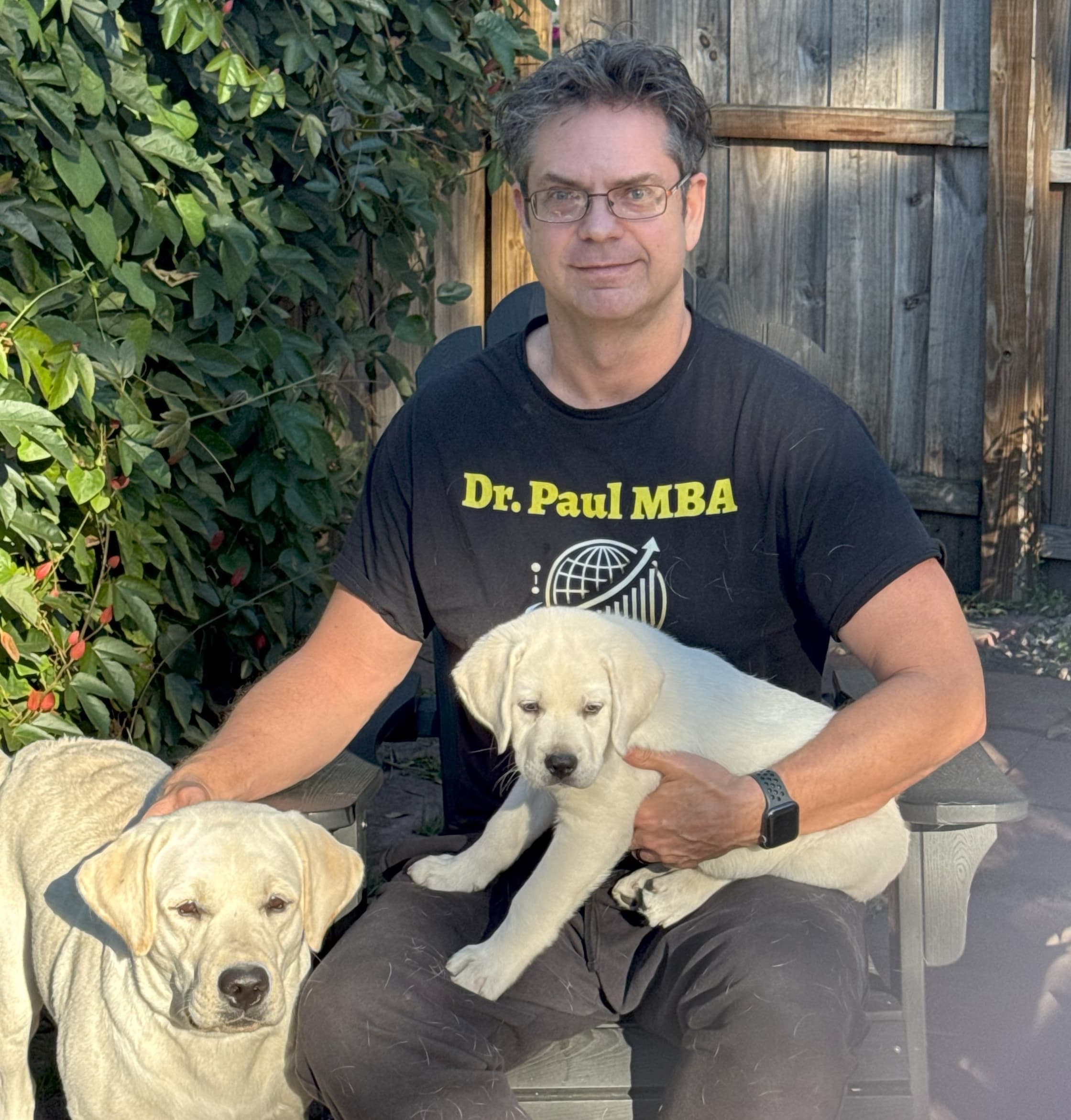 Dr. Paul Borosky, DBA, MBA
Business plan writer for Boston founders leaving the lab
Raising Venture Capital in Boston: Do I Need a Business Plan?
A venture partner reads the slide on your data, then turns straight to the page on your team. Business plan writer Dr. Paul Borosky, DBA, MBA, helps Boston life science founders leaving the lab write a plan that answers the investor questions the science cannot.
- 1,000+clients
- $100M+in fundable projects
- 14+years
Straight Answer
Will a Venture Firm Read a Business Plan Before It Invests?
The Traditional Answer
In most cases, yes. A venture firm may start with a pitch deck, but before it invests it reviews the detail behind the deck: the management team, the market, the milestones and the use of funds. A business plan puts those answers in one document and gives every slide its backing.
Doctor Owl in Plain English
The deck gets you in the room. The plan answers the hard questions they ask once you sit down.
How this guide worksThe Fabled Forest is a story world where animal owners make the same mistakes real founders do, and Doctor Owl is its teacher. Both come from Dr. Paul’s Fabled Forest Business School Series. Here you will see why good science loses pitches, what investors want at each stage, an ant who pitched alone and the plan sections that matter most.
Pitching Soon? Build the Plan Behind the Deck
From a second set of eyes on your pitch to a full investor plan. See plan pricing.
Business Consulting
Walk through your pitch with Dr. Paul and find the questions you cannot answer yet.
See consulting optionsBusiness Plan Writing
An investor plan that covers the team, the market, the milestones and the money.
How Dr. Paul writes plansBudget broken by March? See how Boston owners build a budget they actually use.
The Boston Problem
Why Do Strong Lab Results Still Lose Venture Pitches in Boston?
Boston has more investors than almost anywhere. It also has more founders asking them for money.
Venture money came back to Massachusetts biotech in 2026. Much of it went to older companies. The average seed round got smaller, so first time founders are chasing tighter money.
Most of those founders come out of the labs around Kendall Square and Longwood. They know their science cold. They can walk an investor through every result.
Then the questions change. Who runs the company? Who buys this, and when? What does the next milestone cost? How long does the money last? A scientist who has only lived in the lab often has no ready answer.
Investors here have seen a lot of good science. Science alone no longer sets you apart. What sets you apart is proof that you can build a company around it.
That proof belongs on paper before the first meeting. Making it up in the room rarely works.
Stage by Stage
What Does a Life Science Investor Want Proven Before Each Round?
Each round of funding pays for the next proof. This timeline is an example, not a rule.
Your plan should say which stage you are in today. Then it should say what this round buys and what you will be able to show when the money is spent.
Doctor Owl Teaches
Why Did Isabelle Ask Alton Who Else Was on the Team?
Alton the Ant fixes every gadget in the forest and will not hand off a single task. Isabelle the Iguana decides who gets funded at the First Bank of the Forest.
Alton needed coins to build a repair bench big enough for the whole forest. He carried his plan to Isabelle. The pages on the bench were perfect. Every wire was drawn twice.
Isabelle turned past them without a word and stopped at the page marked Team. Builder: Alton. Seller: Alton. Bookkeeper: Alton. She studied it for a long while. “And when the builder is out sick,” she said, “who does the selling?”
Alton had no answer. Back at the shop, he asked Pippa which job she would take off his list. She took two. He rewrote the Team page with real names and what each one did. He added what the coins would buy and how long they would last.
Isabelle read the new page first. This time she kept reading.
The lesson: Investors back a team that can build the thing, not just the thing. Read more in Strategy for Small Businesses.
Inside the Plan
Which Business Plan Sections Matter Most to a Venture Firm?
An investor will not read every page with the same care. These five get the closest look.
Management team
Who leads, who advises and which roles you still need to fill.
Market and customer
Who pays for the product, how many of them exist and how you reach them.
Milestones
What you will prove with this round, in order, with dates.
Use of funds
Where each dollar goes and how many months it lasts.
Risks
What could go wrong and what you will do about it.
Dr. Paul writes the team section first. If a key role is empty, the plan says so and names when it gets filled. An honest gap reads better than a founder wearing five hats.
You bring the science. Dr. Paul Borosky writes the business plan that shows investors the company around it.
Local Help
Which Boston Programs Help Scientists Become Founders?
These two are built for founders coming out of the lab. Bring a draft plan and you will get more from both.
LabCentral
Shared lab space for early life science startups, with events where founders meet investors.
700 Main Street, Cambridge, MA 02139
MassBio Drive
An accelerator from MassBio that pairs scientific founders with mentors and teaches the business side of biotech.
On the Map
Where Do Life Science Startups Set Up Around Boston?
Where you set up shapes who you meet. Lab space has been easier to find lately, so compare before you sign.
Kendall Square
The center of it all in Cambridge, next to MIT, with shared labs along Main Street.
Longwood Medical Area
Hospital and Harvard research labs, where many spinouts begin.
Watertown
A fast growing cluster just west of Cambridge that drew a large share of recent venture dollars.
Seaport District
Newer lab buildings on the Boston waterfront, close to downtown.
Quick Answers
Should a Biotech Founder Write the Pitch Deck or the Plan First?
Which comes first, the pitch deck or the business plan?
Can Dr. Paul write a plan for science outside his field?
What if my team is just me right now?
Watch
How Do You Show the Team in a Business Plan?
Investors turn to the team page early. Dr. Paul explains how to lay out who does what.
About Dr. Paul Borosky, DBA, MBA
More than 1,000 founders and owners have put their business on paper with Dr. Paul. Boston founders meet with him by phone and video, and every plan follows his Organize-Plan-Grow™ method.
Before the plan, meet the person: Dr. Paul is a business consultant and author. Read about his work, or check out his books on his Amazon page.
Not in Boston? Start with the Massachusetts business plan writer page, or pick your city on the locations page.