Home › Locations › Ohio › Dayton
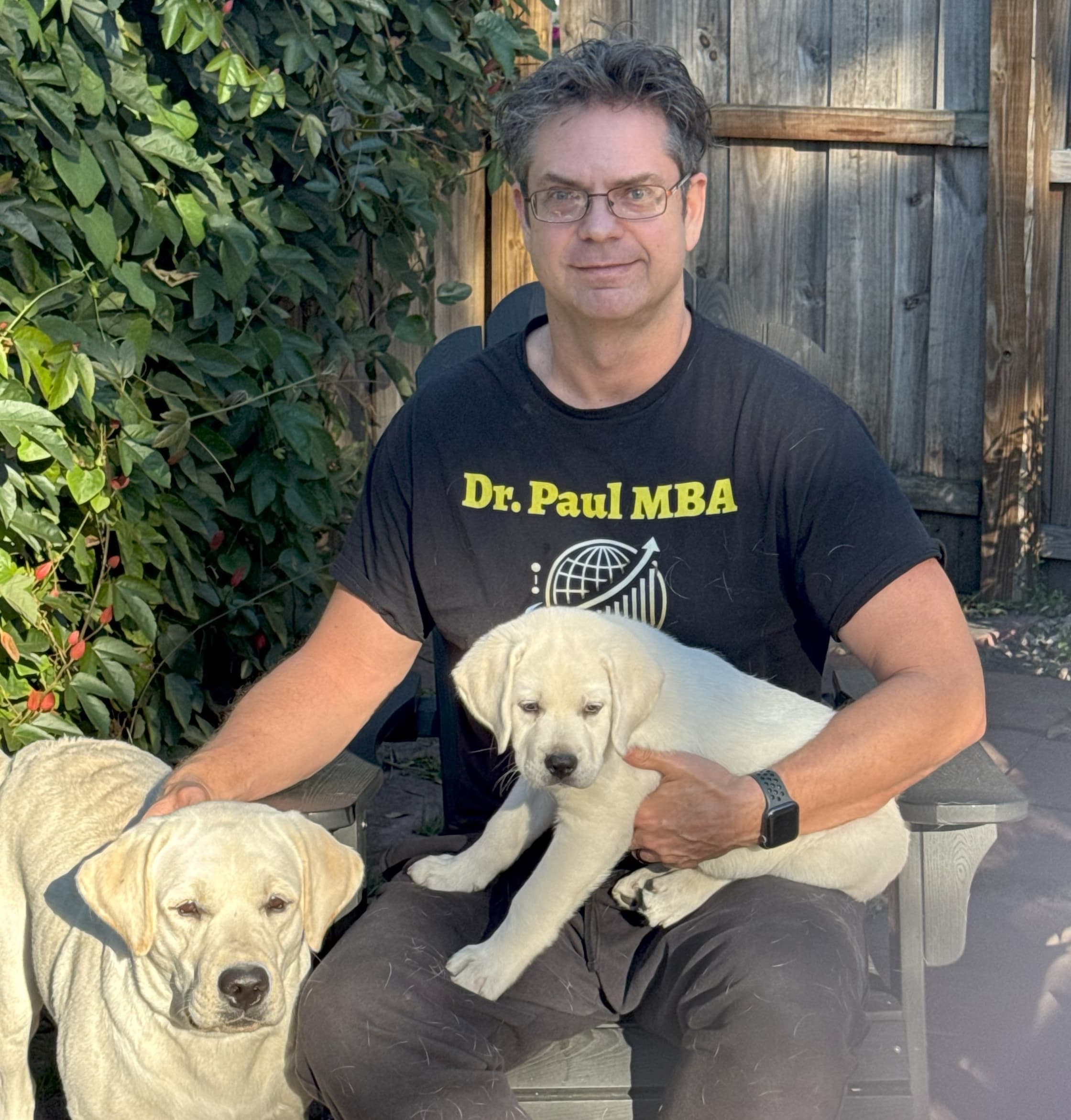 Dr. Paul Borosky, DBA, MBA
Business plan writer for Dayton defense and research startups
Winning an SBIR Award in Dayton: Is a Business Plan Part of the Deal?
Near Dayton, the Air Force Research Laboratory at Wright-Patterson works with small tech firms, and many of them chase SBIR and STTR awards. The science gets them in the door. The plan to sell the result is what reviewers, and later investors, keep asking about. So that is where business plan writer Dr. Paul Borosky, DBA, MBA, puts his attention.
- 1,000+clients
- $100M+in fundable projects
- 14+years
The Short Answer
Does a Grant Application Need a Business Plan?
The Traditional Answer
Many small business grants ask for some form of business plan, even when they call it something else. Federal research programs like SBIR and STTR ask applicants to describe how the work will turn into a product people buy, often in a commercialization plan. Later phases usually ask for more detail, including the market, the customers, the team and how the company will pay its way once the award ends.
Doctor Owl in Plain English
A grant pays for the experiment. A plan pays for the company that comes after it. Write both.
How this guide worksDoctor Owl teaches business to the owners of the Fabled Forest. The stories are made up and the lessons carry into a real lab. The full series lives at Dr. Paul’s Fabled Forest Business School Series. This page covers why Dayton tech founders stall after the first award, the path from research to sales, a story about an ant with a clever invention and the steps to write the plan.
Applying for a Research Award or Your Next Phase?
Get the commercialization story straight before the deadline. See plan pricing.
Business Consulting
Talk through your market, customers and next phase with Dr. Paul.
See consulting optionsBusiness Plan Writing
A full business plan or commercialization plan for your application.
How Dr. Paul writes plansBusiness Plan Templates
Start from a business plan template and add your own technology.
Browse templatesSmall Business Education
Free lessons on management, hiring and running a growing team.
Start learningPartners pulling the business in two directions? Learn how Dayton partners settle disagreements and agree on a plan.
The Dayton Problem
Why Do Dayton Tech Startups Stall After the First Award?
The first award feels like the finish line. It is the starting gun.
A small team in Beavercreek, Fairborn or downtown near the Arcade wins a Phase I award. The work is good. The report goes in. Then the next application asks a different kind of question: who will use this, who will pay for it and how many will they buy?
Engineers tend to answer with more engineering. They describe the next test and the next prototype. Reviewers want to hear about customers, program offices, prime contractors and the commercial market outside defense.
The companies that move ahead treat the business plan as part of the research. They line up interest letters early, size the market and show how the company keeps going when the award money ends.
The Path
What Happens After the Research Money?
A simplified picture of the phases. The plan matters most in the last box.
The first two boxes are paid for by awards. The last box is not. To get there, a company needs buyers, a price, a way to build at scale and often private money. A business plan maps that road, and reviewers read it as a sign the company will survive.
Doctor Owl Teaches
What Did Doctor Owl Ask Alton About His Invention?
Alton the Ant runs Anthill and Winding Tunnel Tech Solutions. He is the best tech in the forest, and he lets no one else touch the work.
Alton built a signal box that carried messages through the tunnels faster than any runner. The forest council was so impressed it paid for him to build a better one. He spent the whole season tinkering, alone, and came back with a box that reached twice as far.
The council asked what came next. Alton grabbed a pencil and started explaining the wiring. Doctor Owl gently stopped him. “Who wants this box,” he asked, “and how many will they need?”
Alton had not asked anyone. So he spent a week visiting the harvest crews. Three colonies wanted boxes before winter, and the beavers wanted a bigger one for the dam. He came back with names and numbers, and the council funded the first real batch.
The lesson: A great invention still needs a customer list. Find the buyers while you are still building. Read more in Management and Leadership for Small Businesses.
The Fix
How Does a Business Plan Writer Build a Commercialization Plan?
- Name the first buyer. A program office, a prime contractor or a commercial customer, and the problem your work solves for them.
- Collect proof of interest. Letters of support, meeting notes and pilot agreements carry real weight.
- Size the market. Defense and commercial, with sources, so the reader sees the room to grow.
- Show how you make money. Product sales, licensing, services or a mix, and what each one earns.
- Plan the team and the build. Who you will hire, what you will make in house and what you will buy.
- Plan the money after the award. Revenue, investors or a follow-on contract that carries the company forward.
Dr. Paul writes the business side so the technical team can focus on the research. The plan can then grow into the full business plan investors and lenders ask for later. For more on reading your market, see what a market entry strategy is.
Business Plan Writer Tip
Start the letters early
Dr. Paul has founders ask for support letters months before the deadline. Busy program staff rarely turn them around in a week.
Business Plan Writer Tip
Write for two readers
A reviewer and a future investor both read this plan. Use plain words so neither gets lost.
A clear business plan helps a Dayton research startup turn an award into a company. Dr. Paul Borosky writes it for founders across the Miami Valley.
Around the Miami Valley
Where Do Dayton Area Tech Firms Set Up?
Being close to the base helps. So does being close to the people you hire.
Beavercreek and Fairborn
Office parks and tech firms just outside Wright-Patterson Air Force Base.
Downtown Dayton and the Arcade
Coworking, startup programs and room to grow in a historic downtown.
Kettering and Miamisburg
South suburbs with established engineering and manufacturing firms.
Springboro and the I-75 corridor
Growing suburbs between Dayton and Cincinnati, close to both talent pools.
Quick Answers
What Else Do Dayton Founders Ask About Grants and Plans?
Can I get a small business grant to start a business?
Is an SBIR award a loan?
Do investors care about SBIR awards?
Local Help
Who Helps Dayton Tech Startups for Free?
Both work with founders near the base and across the region.
SBDC at The Entrepreneurs Center
No-cost, confidential business advising for Dayton area startups and small businesses.
31 S. Main St., Dayton, OH 45402
AFRL Small Business Office
The Air Force Research Laboratory office that helps small companies learn how to work with the lab.
About Dr. Paul Borosky, DBA, MBA
Dr. Paul has written plans for more than 1,000 businesses, including technology startups and government contractors. Dayton founders work with him by phone and video, and each plan is shaped by his Organize-Plan-Grow™ method.
Before the plan, meet the person: Dr. Paul is a business consultant and author. See his story, or see every title on his Amazon author page.
See the full Ohio business plan writer page, or browse every city on the locations page.