A Business Consultant's Perspective · Sanford, FL
Busy Is Not the Same as Profitable
Compare event-day profit after labor to a normal day. Then turn the crowd into weekday regulars.
Who this is for: Downtown restaurants, bars, shops, and the food truck vendors who work Sanford's events.
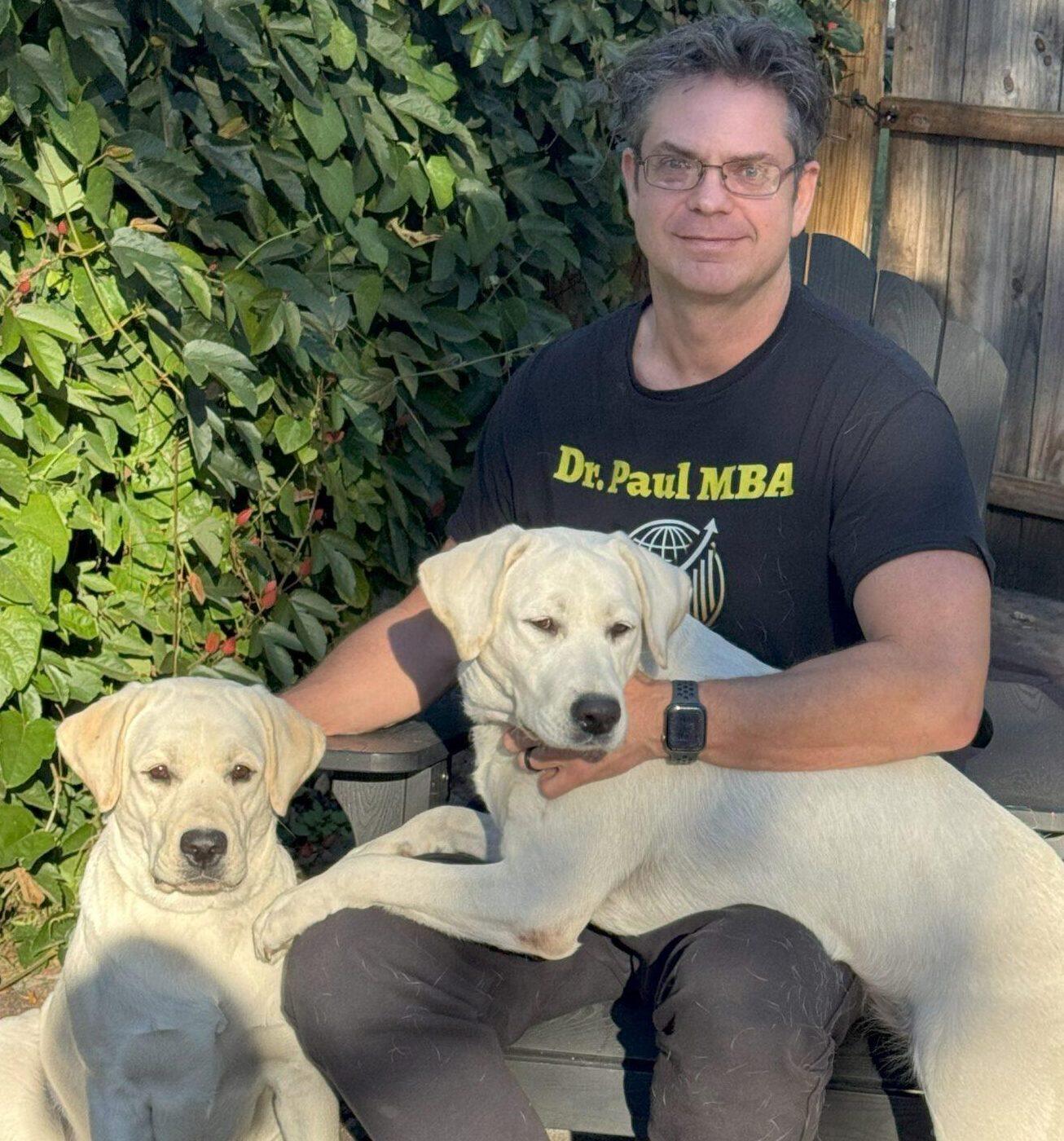
Dr. Paul Borosky, DBA, MBA, a Sanford business consultant, sees event days the way a CFO would. The crowd is not the result. The profit after labor is. Here is his perspective.
The second Sunday of the month rolls around. Food Truck Fiesta is on. The street is packed, the line is out the door, your team is slammed, and you go home exhausted. Was it a great day?
Maybe. Maybe not. Here is the honest answer about downtown Sanford events: a bigger sales total does not mean you made more money. Event days come with extra staff, extra inventory, extra waste, and sometimes discounts. The only way to know is to compare event-day gross profit after labor to a normal day. Then turn some of that crowd into people who come back on a Tuesday.
What do events actually bring downtown?
Sanford's Food Truck Fiesta runs on the second Sunday of every month, from 1 to 6 p.m., with more than 40 food trucks and tents, live music, and artisan vendors, according to the city's event listing. Parking is free. That is a lot of people in a few blocks.
It also comes with friction. An employee at a downtown restaurant told reporters that weekend festivals make the streets hectic, with some customers walking about 20 minutes from where they parked. Crowds help some businesses and squeeze others.
There are two kinds of businesses on event day. Vendors working the event, and the shops and restaurants around it. Both have the same question: did the extra effort pay?
How do you know if event day paid off?
Compare an event Sunday to a normal Sunday. Not on sales. On gross profit after labor and event extras.
Example numbers. The lesson is real. Over-staffing and waste eat event-day gains fast. Track your own numbers for three events and you will know which side of the line you are on.
Do your ordinary days cover your fixed costs?
Here is the trap. Event revenue is real money, but it is rented. You did not earn that customer. The event did. When the event leaves, the customer leaves with it. Event days feel like proof the concept works, and owners spend the next year confused about why the bank balance never grows.
The number that tells the truth: split your revenue into ordinary days and event days. Then compare ordinary-day revenue to your fixed costs: rent, insurance, base payroll, and utilities. If ordinary days do not cover them, you are not a shop with event upside. You are an event business that pays rent seven days a week, and you depend on somebody else's calendar. Run it monthly. One good festival can hide a bad quarter.
What about food truck vendors working the event?
Same idea, different costs. A vendor needs to cover the event fee, travel, fuel, staff, and prep before the first dollar of profit. Run break-even before you commit.
How do you turn a crowd into repeat customers?
The biggest value of an event is not the event. It is the people who find you that day and come back on a slow Tuesday. Most businesses let them walk away without a reason to return.
- Bounce-back offer. Hand every event customer a card good for a weekday visit in the next 30 days.
- Text club. A QR code at the register for a free item on their next visit. Now you can reach them again.
- Weekday hook. Promote the thing that makes you different on regular days, not just event specials.
- Track it. Code every bounce-back card so you know exactly how many came back.
- Track repeat rate per event. Some events send you customers who come back. Some send tourists who never will. After two or three cycles you will know which events are worth the extra effort.
How should you plan staffing and inventory for events?
- Track three event days. Sales by hour, staff on the clock, food cost, and waste.
- Find the real rush window. Most events have two or three peak hours, not five.
- Staff for the peak, not the whole day. Split shifts beat a full extra crew.
- Prep to the numbers, not to fear. Over-prepping turns into waste.
- Decide on a simple event menu. Fewer items, faster tickets, less waste.
- Review after every event. Keep what worked, cut what did not.
What does good look like?
Ordinary weeks cover fixed costs. Events are upside, not survival. That is the whole target. A business in that position can enjoy a festival instead of needing one. It survives a rained-out weekend, a schedule change, or a thin event calendar. And it is worth more if you ever sell, because a buyer is paying for repeatable demand, not somebody else's event schedule.
How Does This Hit Different Industries?
The same issue lands differently depending on what you sell. Here is how a business consultant would break it down for three kinds of Sanford businesses.
Restaurants and bars
The crowd is right outside, but so is the competition from 40 food trucks. Profit depends on a tight event menu, peak-hour staffing, and low waste.
Retail shops
Event visitors browse but often do not buy big. The win is capturing contact info and bringing them back on a quiet weekday.
Food trucks and vendors
Every event is a break-even problem. Booth fees, staff, and prep come first. The ticket count decides whether the day paid.
How a Business Consultant Helps
Most downtown owners know how to work a rush. They are good at the food, the drinks, the service. What is usually missing is the scoreboard that tells them whether the rush was worth it. Without it, event day is just a long, exhausting guess.
Dr. Paul Borosky, DBA, MBA fixes that with Organize-Plan-Grow™. Organize: a simple event-day tracking sheet for sales, labor, food cost, and waste. Plan: staffing and prep built around your real peak hours, plus a break-even target for every event you work. Grow: a repeat-customer system that turns one Sunday crowd into weekday regulars.
With 14+ years and 1,000+ clients behind him, Dr. Paul has seen it over and over. The owners who win events are not the ones who work the hardest. They are the ones who know their numbers.
Dr. Paul works on site with owners across Sanford and Seminole County. See how he works as a Sanford business consultant, review his business consulting services, or learn more about Dr. Paul's Organize-Plan-Grow™ Strategy.
Work With a Business Consultant
Dr. Paul Borosky, DBA, MBA. 14+ years, 1,000+ clients, 500+ financial models built. Weekly on-site walk-through: two hours a week, one fixed day, $300 a week. Hourly consulting from $150.
Call/Text (321) 948-9588Questions Owners Ask
Frequently Asked Questions
When is the Sanford Food Truck Fiesta?
According to the City of Sanford event listing, Food Truck Fiesta runs on the second Sunday of every month from 1 to 6 p.m. in downtown Sanford, with more than 40 food trucks and tents. Check the city or organizer listing for the current schedule.
Do downtown events make businesses more money?
Not always. Event days bring higher sales but also extra labor, waste, and supplies. Compare event-day profit after food and labor costs to a normal day to see whether the event actually paid off.
How can my business get repeat customers from downtown events?
Give event customers a reason to come back on a regular day, like a bounce-back offer or a text club signup, and code the offers so you can track how many return.
How can a business consultant help my business profit from events?
A business consultant sets up simple event-day tracking, compares event profit to normal days, right-sizes staffing and prep, and builds a repeat-customer system. Dr. Paul Borosky does this hands-on with downtown Sanford owners.
Founder of Quality Business Plan and creator of Organize-Plan-Grow™. DBA from National University, MBA in Finance from Webster University. 14+ years, 1,000+ clients, 500+ financial models built, and 1,000+ business videos on YouTube. Dr. Paul specializes in owners who are great at their trade and want the business side to stop running them. About Dr. Paul
Sources
Figures, dates, and plans described on this page reflect public reporting at the time of writing and may change. Worked examples use illustrative numbers. Verify current details with the relevant agency before making business decisions.