
Dr. Paul Borosky, DBA, MBA
Business Consultant · Function 3 of 4
What Is the Leading Function of Management?
Picture a barbershop that keeps losing good barbers. The owner blames pay. The real problem is leading, the third function of management, and it is where business consultant Dr. Paul Borosky, DBA, MBA, sees owners struggle most. This guide follows a Charlotte shop that fixed it without a raise, and a pizza fox who never asked his best cook a single question.
Questions? Call or text (321) 948-9588. Dr. Paul answers personally.
Last Updated: 11/15/2026 · Written by Dr. Paul Borosky, DBA, MBA
The Textbook Answer
Leading, Defined
Doctor Owl in Plain English
Show the Way, Then Get Out of It
How the guide works: Doctor Owl is the business consultant in Dr. Paul’s Fabled Forest Business School Series. Further down, a pizza fox learns that his quietest cook had the answer all along.
Is Your Team Waiting on You?
Leadership Styles
Match the Style to the Person
No single style works for everyone. A new hire needs different leadership than a ten-year veteran.
| Style | What you do | Use it with |
|---|---|---|
| Directing | Give clear steps and check often | Brand-new employees |
| Coaching | Explain the why, let them try, give feedback | People learning the job |
| Supporting | Listen, encourage, remove roadblocks | Skilled people who lost confidence |
| Delegating | Hand over the goal and step back | Proven people who own their work |
Everyday Leading
Habits That Do Most of the Work
- Explain the why. People work harder on goals they understand. See what motivation really is.
- Ask before you tell. Your crew sees problems you never will. Give them a voice.
- Give feedback fast. Praise in public, correct in private, and do both the same week. Here is how to give feedback on poor performance.
- Close the loop. Confirm what was heard, not just what was said. That is closed-loop communication.
- Ask good people why they stay. A short stay interview costs nothing and keeps your best people.
A Real-World Example
A Barbershop Turns Its Chairs Around
A six-chair barbershop in Charlotte, North Carolina keeps losing barbers to the shop down the street. The owner thinks it is pay. It is not.
He starts a ten-minute huddle before opening each Saturday. He shares the week’s numbers, asks each barber what slowed them down, and fixes the top complaint by the next week. A barber who had been ready to leave suggests online booking for walk-in overflow. The owner tries it and gives her credit in front of the team.
Nobody got a raise. Two barbers who were looking stayed, because for the first time somebody asked them what they thought.
From Dr. Paul’s Fabled Forest
The Cook Nobody Asked
Doctor Owl had just dropped a coin in a street musician’s case on the square when he heard Fast Frankie shouting from the pizza truck.
“Faster on the dough! More cheese on six! Who has table nine?”
The line stretched past the fountain. Marco was flipping the schedule board back and forth. Nell worked the ovens without a word, sliding out pies as fast as Frankie could yell for them.
Doctor Owl stepped up to the window. “Busy night.”
“Every night,” Frankie said, wiping his paws. “Nobody moves unless I tell them to.”
Doctor Owl watched Nell for a moment. She had a small chalk list taped beside the ovens, orders grouped by topping, not by ticket. “Have you asked Nell how she would run the line?”
Frankie blinked. He leaned back and asked. Nell pointed to her chalk list and quietly explained it. Bake the same toppings together, she said, and the ovens never sit half empty.
Frankie tried it on the next ten orders. The line got shorter. He did not shout once. Nell smiled at her ovens and kept baking.
Frankie’s crew shows up in many stories across Dr. Paul’s Fabled Forest Business School Series. His first chapter is in Book 1.
Dr. Paul’s Insight
Dr. Paul has seen it in hundreds of small businesses: the owner is the busiest person in the room and the least listened to. Leading is part of the Grow step in Dr. Paul’s Organize-Plan-Grow™ Strategy. Growth depends on people who want to stay and get better.
Watch Out
Leadership Traps Owners Fall Into
Loud orders get quick action and slow resentment.
If the only feedback is bad news, people stop telling you anything.
Micromanaging a veteran drives them out. Leaving a new hire alone sets them up to fail.
If you show up late, so will your team.
Leadership Help for Owners
Coaching From a Business Consultant
Most owners were never taught to lead. They were good at the work, so they became the boss. Dr. Paul works with owners and new managers on the hard parts: tough conversations, holding people accountable, and building a team that does not need the owner standing over it.
What a leadership session can cover
Weekly team huddles that take ten minutes, a simple feedback routine, clear expectations for each role, and a plan for keeping your best people.
Keep Learning
Where Leading Fits in the Bigger Picture
FAQ
Common Questions About Leading
What is the difference between leading and managing?
What are examples of the leading function?
Can a small business owner learn to lead?
More From Dr. Paul
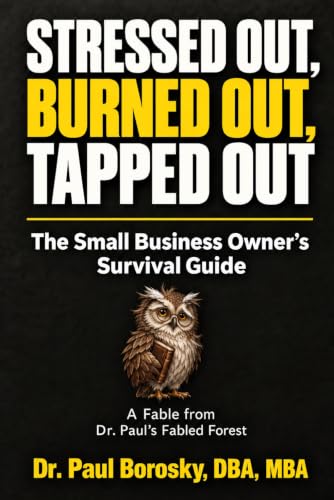
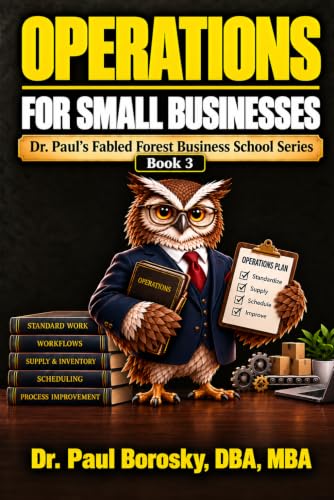
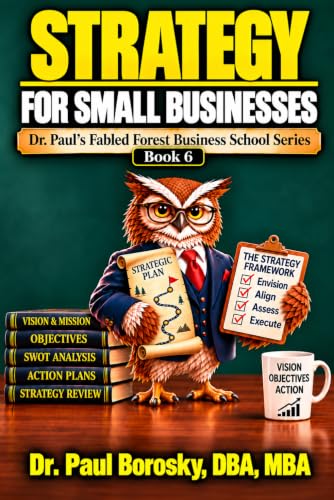
Books for Owners Who Lead a Team
Meet the Author
Dr. Paul Borosky, DBA, MBA, is a business consultant and author with 14+ years of experience and 1,000+ written business plans. He also teaches, which gives him a front-row seat to how people learn and what keeps them motivated. More about Dr. Paul · Dr. Paul’s author page on Amazon.
This page is for general educational purposes only. It is not legal, financial, or other professional advice. For decisions about your own business, consult a qualified professional.