
Dr. Paul Borosky, DBA, MBA
Business Consultant · Management Glossary
What Is a Structured Interview?
A structured interview asks every candidate the same questions, in the same order, scored the same way. It sounds stiff. It works. Dr. Paul Borosky, DBA, MBA, builds these scoring sheets with owners in his business consultant practice, and he explains here why likeable hires sometimes become early quits and how to write questions tied to the job.
Questions? Call or text (321) 948-9588. Dr. Paul answers personally.
Last Updated: 11/07/2026 · Written by Dr. Paul Borosky, DBA, MBA
The Short Answer
What Is a Structured Interview?
Tired of Hires That Do Not Work Out?
In Plain English
Same Questions, Same Order, for Everyone
Same questions, same order, for everyone. Then you compare answers, not impressions.
A friendly, relaxed interview can feel like a good one. But the person who interviews well is not always the person who does the job well.
A Real-World Example
The Restaurant That Hired the Quiet Candidate
The owner of a restaurant in New Smyrna Beach, Florida hires the most likeable person in every interview. Turnover stays high.
She writes five questions tied to the job description and scores each answer on the same scale. The quiet candidate she would have skipped scores highest. A year later, he is still there and training the new hires.
From Dr. Paul’s Fabled Forest
Louie Waffles Hires a Baker
Doctor Owl was at the counter of Waffle Woofs Bakery & Café for his blueberry waffle when Louie Waffles gushed about the three bakers he had just interviewed.
“I liked them all,” Louie said, tail wagging. “On the house!” He slid a waffle to each applicant waiting by the window.
Doctor Owl finished his bite and handed Louie a scroll with five questions on it. “Ask all three of them these. Same questions, same order.”
Louie did. The first question was: tell me about a morning you baked before dawn.
One of the three had never baked before dawn in her life. The bakery opened at six. Louie had simply never thought to ask.
Find the rest of the forest’s lessons in Dr. Paul’s Fabled Forest Business School Series. This one is from Book 1.
Dr. Paul’s Insight
Dr. Paul’s view: the interview is a test. If every candidate takes a different test, you cannot grade it.
Put It to Work
One Structured Interview Question, Scored
- Write five questions from the job description. Tie each one to a real part of the job.
- Write what a strong, average, and weak answer sounds like. Do this before the first interview.
- Ask every candidate the same way. Same words, same order. Follow-up questions are fine if you use them for everyone.
- Score right after each answer. Memory fades fast, and the last candidate tends to win.
- Compare totals. Use the scores to start the decision, not to replace your judgment.
Watch Out
Pitfalls When Using a Structured Interview
That is exactly when the structure matters most.
Brain teasers and trick questions tell you little about the work.
By the end of the day, impressions have replaced answers.
Same questions does not mean cold. Be warm, and keep the format.
Why It Matters
Benefits of a Structured Interview
- Fairer, easier comparisons
- Can reduce bad hires
- Less room for bias
- Faster hiring decisions
In Your Business Plan
How Structured Interview Shows Up in a Business Plan
When a plan includes new hires, lenders sometimes ask how the business will find the right people in time. A short hiring process answers that.
Sample plan excerpt: Staffing Plan, Hiring Process
“Candidates answer the same five questions tied to the job description and are scored on a three-point scale by two interviewers. Hiring is planned six weeks before each staffing milestone.”
FAQ
Questions Owners Ask About Structured Interviews
What questions go in a structured interview?
Is a structured interview better than an unstructured one?
How do you score a structured interview?
More From the Series
Keep Building Your Business
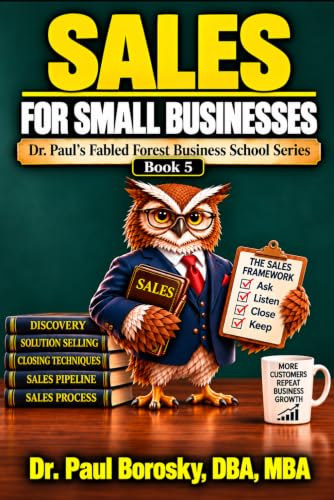
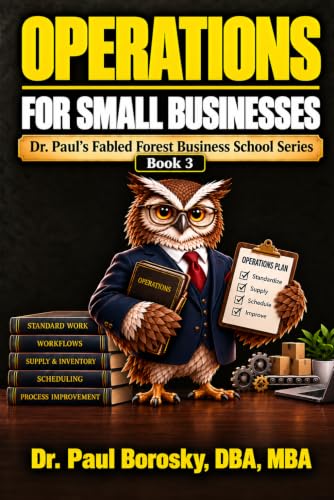
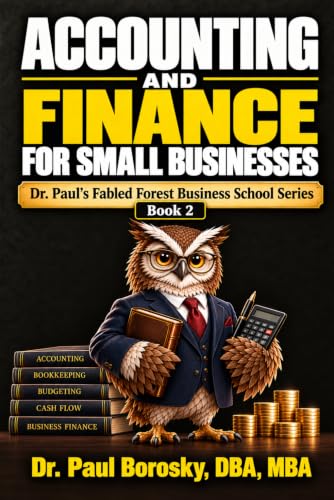
Every book in Dr. Paul’s Fabled Forest Business School Series teaches one subject through short stories, real terms, and one-page worksheets.
Dr. Paul Borosky, DBA, MBA
Dr. Paul is a business consultant and author with 14+ years of experience and 1,000+ written business plans. He works with owner-run small businesses on plans, financial projections, and the systems that let a business run without the owner doing everything. This page is part of the glossary for Management and Leadership for Small Businesses, Book 1 of Dr. Paul’s Fabled Forest Business School Series.
This page is for general educational purposes only. It is not legal or HR advice. Hiring and anti-discrimination rules vary by state; consult a qualified professional before changing your hiring process.